June 11, 2026
June 11, 2026
Best AI Video Models for Ecommerce Ads in 2026
Pick the right AI video model for product ads, UGC clips, and launch videos without wasting generations.
Pick the right AI video model for product ads, UGC clips, and launch videos without wasting generations.
Choose the best AI video models for ecommerce by ad use case, so your team makes better product clips, faster.
The best AI video models for ecommerce are the ones that fit the ad you need to make, not the ones with the biggest name. For product demos, social ads, and UGC-style clips, the right choice depends on motion, realism, speed, and how much control your team needs.
This guide gives you a simple way to pick by use case, so you stop guessing and start routing each job to the model that is most likely to give you usable ad creative.
What the best AI video models for ecommerce should do
For ecommerce ads, a good video model should help you make footage that sells a product clearly. That usually means it should handle one or more of these jobs well:
Show a product in motion without looking strange.
Turn a still image into a short clip for Meta, TikTok, or paid social.
Keep the same product look across several versions.
Make fast test ads, not just pretty clips.
Give your team enough control to match your brand tone.
If a model makes beautiful video but breaks the product shape, changes labels, or adds random hands and props, it is often a bad fit for ecommerce ads.
Best AI video models for ecommerce by ad use case
There is no single winner for every job. The better question is: what are you making today?
Ad use case | What matters most | Best fit in plain words |
|---|---|---|
Product reveal clips | Clean motion, stable product shape | Pick a model that keeps the item looking like the item |
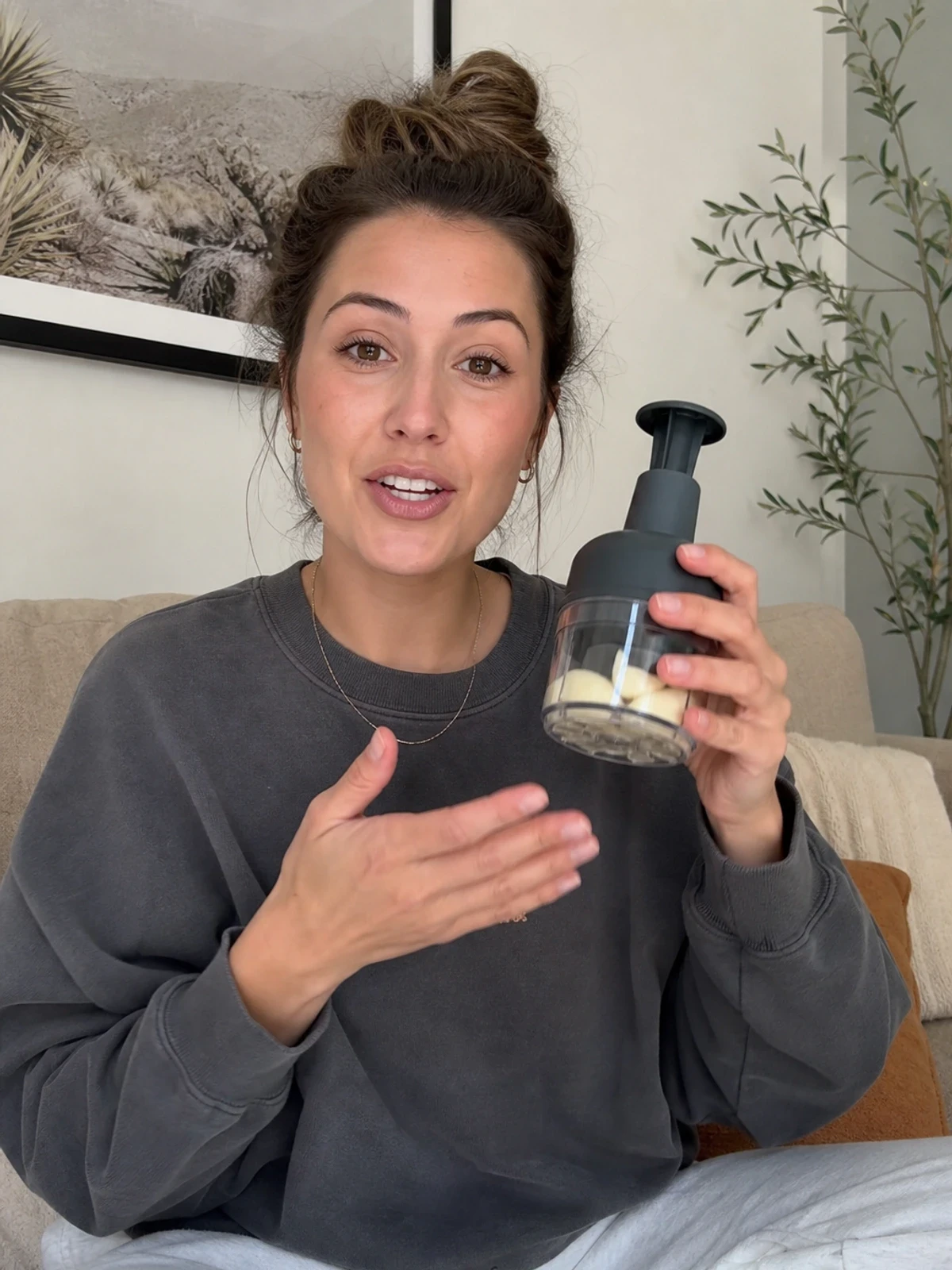
UGC-style ads | Natural movement, human feel, short edits | Pick a model that can look casual and not too polished |
Launch teasers | Fast output, mood, visual energy | Pick a model that can create atmosphere quickly |
Product detail shots | Close-up clarity, label safety, repeatability | Pick a model with stronger control and fewer weird changes |
That table is the real shortcut. Most ecommerce teams do not need one model for everything. They need a few models, each used for a different job.
How to choose the best AI video model for ecommerce ads
Use this simple test before you spend time making variants.
Start with the ad goal. Are you showing the product, proving a benefit, or creating a hook?
Check product stability. Does the item stay recognizable from frame to frame?
Check motion quality. Does it look smooth, or does it warp and wobble?
Check speed. Can your team make enough versions to test in paid social?
Check edit safety. Can you cut, trim, and repurpose the output without losing quality?
If a model fails step 2, it is usually out for ecommerce ads, even if the video looks impressive at first glance.
Which model style fits each ecommerce job
You do not need to memorize brand names to make a smart choice. Think in model styles.
Image-to-video models are best when you already have a strong product photo and want a quick ad clip.
Text-to-video models are best when you want a mood scene, concept, or launch teaser from a short brief.
High-control models are best when the product must stay accurate, like cosmetics, packaged goods, or anything with labels.
Fast, flexible models are best when you need many hooks and do not need perfect realism on every frame.
In practice, many teams use one model for concepting, then another for cleaner ad versions. That is often better than forcing one model to do every job.
A simple ecommerce example: one product, three video needs
Imagine a skincare brand launching a new serum. The team needs three videos:
A 6-second hook for TikTok.
A product reveal for Meta ads.
A short UGC-style clip with a voiceover.
The best AI video model for each job may be different:
Hook: pick a model that creates strong motion and fast attention.
Reveal: pick a model that keeps the bottle shape and label clean.
UGC clip: pick a model that feels more natural and human.
This is why model selection by ad use case matters. You are not buying a “video tool.” You are choosing the best path for a specific ad task.
What to review before you publish
Even the best AI video models for ecommerce can make mistakes. Before you use a clip in paid media, check these things:
Does the product look like your real product?
Are labels, caps, colors, and shapes still correct?
Does the video match your brand tone?
Is the first second clear enough to stop the scroll?
Can you understand the benefit without reading too much text?
For ecommerce ads, clarity beats cleverness. If people cannot tell what the product is, the video is not ready.
Common mistakes teams make when picking AI video models
Choosing by hype. A model can be famous and still be wrong for your ad format.
Testing only one prompt. One bad result does not mean the model is bad, but one good result does not mean it is reliable.
Ignoring control. A pretty clip that cannot be repeated is hard to use in a real campaign.
Mixing jobs. A model that is good for a teaser may be poor for a product detail shot.
Skipping review steps. Small errors turn into wasted spend once the ad goes live.
How Kubflow helps you use the right model every time
Kubflow is useful when you want a repeatable way to make ecommerce ads, not just one-off clips. You can build a visual AI creative workflow that routes the right job to the right model, then reuse that flow every time you launch a product or test a new angle.
That matters because most teams do not need more random generation. They need a clean process: brief, model choice, output, review, and versioning. Kubflow helps you keep that process in one place so your team can move faster without losing control.
If you want to see how that looks in practice, start with the Kubflow docs for building repeatable creative workflows, or explore Kubflow pricing if you are ready to turn the process into production work.
Quick checklist for choosing your next model
Is this a product shot, a teaser, or a UGC-style ad?
Does the model keep the product stable?
Can it make enough versions for testing?
Does it fit your brand tone?
Can your team rerun the same steps again?
If you can answer yes to most of these, you are probably looking at a good fit.
The best AI video models for ecommerce are the ones that help you ship better ads faster. Pick by use case, review the output with a buyer’s eye, and build the repeatable path in Kubflow so the same process works for every launch.



Choose the best AI video models for ecommerce by ad use case, so your team makes better product clips, faster.
The best AI video models for ecommerce are the ones that fit the ad you need to make, not the ones with the biggest name. For product demos, social ads, and UGC-style clips, the right choice depends on motion, realism, speed, and how much control your team needs.
This guide gives you a simple way to pick by use case, so you stop guessing and start routing each job to the model that is most likely to give you usable ad creative.
What the best AI video models for ecommerce should do
For ecommerce ads, a good video model should help you make footage that sells a product clearly. That usually means it should handle one or more of these jobs well:
Show a product in motion without looking strange.
Turn a still image into a short clip for Meta, TikTok, or paid social.
Keep the same product look across several versions.
Make fast test ads, not just pretty clips.
Give your team enough control to match your brand tone.
If a model makes beautiful video but breaks the product shape, changes labels, or adds random hands and props, it is often a bad fit for ecommerce ads.
Best AI video models for ecommerce by ad use case
There is no single winner for every job. The better question is: what are you making today?
Ad use case | What matters most | Best fit in plain words |
|---|---|---|
Product reveal clips | Clean motion, stable product shape | Pick a model that keeps the item looking like the item |
UGC-style ads | Natural movement, human feel, short edits | Pick a model that can look casual and not too polished |
Launch teasers | Fast output, mood, visual energy | Pick a model that can create atmosphere quickly |
Product detail shots | Close-up clarity, label safety, repeatability | Pick a model with stronger control and fewer weird changes |
That table is the real shortcut. Most ecommerce teams do not need one model for everything. They need a few models, each used for a different job.
How to choose the best AI video model for ecommerce ads
Use this simple test before you spend time making variants.
Start with the ad goal. Are you showing the product, proving a benefit, or creating a hook?
Check product stability. Does the item stay recognizable from frame to frame?
Check motion quality. Does it look smooth, or does it warp and wobble?
Check speed. Can your team make enough versions to test in paid social?
Check edit safety. Can you cut, trim, and repurpose the output without losing quality?
If a model fails step 2, it is usually out for ecommerce ads, even if the video looks impressive at first glance.
Which model style fits each ecommerce job
You do not need to memorize brand names to make a smart choice. Think in model styles.
Image-to-video models are best when you already have a strong product photo and want a quick ad clip.
Text-to-video models are best when you want a mood scene, concept, or launch teaser from a short brief.
High-control models are best when the product must stay accurate, like cosmetics, packaged goods, or anything with labels.
Fast, flexible models are best when you need many hooks and do not need perfect realism on every frame.
In practice, many teams use one model for concepting, then another for cleaner ad versions. That is often better than forcing one model to do every job.
A simple ecommerce example: one product, three video needs
Imagine a skincare brand launching a new serum. The team needs three videos:
A 6-second hook for TikTok.
A product reveal for Meta ads.
A short UGC-style clip with a voiceover.
The best AI video model for each job may be different:
Hook: pick a model that creates strong motion and fast attention.
Reveal: pick a model that keeps the bottle shape and label clean.
UGC clip: pick a model that feels more natural and human.
This is why model selection by ad use case matters. You are not buying a “video tool.” You are choosing the best path for a specific ad task.
What to review before you publish
Even the best AI video models for ecommerce can make mistakes. Before you use a clip in paid media, check these things:
Does the product look like your real product?
Are labels, caps, colors, and shapes still correct?
Does the video match your brand tone?
Is the first second clear enough to stop the scroll?
Can you understand the benefit without reading too much text?
For ecommerce ads, clarity beats cleverness. If people cannot tell what the product is, the video is not ready.
Common mistakes teams make when picking AI video models
Choosing by hype. A model can be famous and still be wrong for your ad format.
Testing only one prompt. One bad result does not mean the model is bad, but one good result does not mean it is reliable.
Ignoring control. A pretty clip that cannot be repeated is hard to use in a real campaign.
Mixing jobs. A model that is good for a teaser may be poor for a product detail shot.
Skipping review steps. Small errors turn into wasted spend once the ad goes live.
How Kubflow helps you use the right model every time
Kubflow is useful when you want a repeatable way to make ecommerce ads, not just one-off clips. You can build a visual AI creative workflow that routes the right job to the right model, then reuse that flow every time you launch a product or test a new angle.
That matters because most teams do not need more random generation. They need a clean process: brief, model choice, output, review, and versioning. Kubflow helps you keep that process in one place so your team can move faster without losing control.
If you want to see how that looks in practice, start with the Kubflow docs for building repeatable creative workflows, or explore Kubflow pricing if you are ready to turn the process into production work.
Quick checklist for choosing your next model
Is this a product shot, a teaser, or a UGC-style ad?
Does the model keep the product stable?
Can it make enough versions for testing?
Does it fit your brand tone?
Can your team rerun the same steps again?
If you can answer yes to most of these, you are probably looking at a good fit.
The best AI video models for ecommerce are the ones that help you ship better ads faster. Pick by use case, review the output with a buyer’s eye, and build the repeatable path in Kubflow so the same process works for every launch.