June 25, 2026
June 25, 2026
AI Creative Workflow Examples for DTC Brands
See simple AI creative workflow examples DTC teams can copy to make more ad angles faster.
See simple AI creative workflow examples DTC teams can copy to make more ad angles faster.
AI creative workflow examples for DTC brands that turn one idea into ads, hooks, and content faster, with simple templates you can reuse.
If you want more ads without more chaos, the answer is simple: use repeatable AI creative workflow examples, not random one-off prompts. A good workflow turns one product idea into scripts, images, videos, and variants you can reuse again and again.
For DTC founders and marketers, this means less staring at a blank page and more shipping ads your team can test fast. Below, I will show practical AI creative workflow examples you can copy, plus the steps, inputs, and outputs that matter most.
What AI creative workflow examples actually solve
Most DTC teams do not need “more AI.” They need a cleaner way to move from brief to finished creative.
A workflow helps when you need to:
Turn one product into many ad angles.
Make hooks, scripts, and visuals that match each other.
Keep brand style from drifting.
Cut wasted time on guesswork and rework.
Think of a workflow as a recipe. If the steps stay the same, your team can repeat the result. That is the real value of AI creative workflow examples, especially when you are testing Meta ads, TikTok ads, or content for launch campaigns.
AI creative workflow examples for DTC brands
Here are the most useful workflows for ecommerce teams. These are simple on purpose, because simple is easier to run every week.
1. Product brief to ad angle workflow
Use this when you have one product and need five or more ad ideas.
Inputs: product name, top benefit, problem it solves, customer type, proof points.
Steps:
Write a short product brief in plain words.
Ask AI for 10 pain-based angles, 10 desire-based angles, and 10 comparison angles.
Pick the 3 angles that fit your brand and offer.
Turn each angle into a hook, headline, and call to action.
Output: a small set of clear ad angles your team can test.
Example: For a sleep gummy brand, one angle might be “fall asleep faster without a heavy morning.” Another might be “busy parents who need a night routine that is easy to keep.”
2. Script to UGC-style video workflow
Use this when you need short ad videos that feel natural, even if they are AI-assisted.
Inputs: angle, audience, main objection, desired action.
Steps:
Write a 15 to 30 second script with one hook, one problem, one solution, one proof, one close.
Generate 3 opening lines so you can test different hooks.
Make matching video scenes or talking points for each line.
Review the final cut for tone, clarity, and brand fit.
Output: a short ad that can be adapted into multiple versions.
This works well for founder-led brands, beauty, wellness, pets, and home goods, where the message matters more than fancy effects.
3. Product photo to ad variation workflow
Use this when you already have product images and want more testable creative.
Inputs: product photo, offer, audience, theme.
Steps:
Pick one strong product image.
Generate new versions for different situations, like morning routine, gift use, travel, or before and after.
Change the hook text for each variation.
Review for realism, product clarity, and brand style.
Output: multiple ad creatives from one asset set.
If you want a deeper version of this approach, see Kubflow docs for building repeatable creative workflows.
4. Launch teaser to full campaign workflow
Use this for product launches or seasonal drops.
Inputs: launch date, hero benefit, urgency, key questions customers will ask.
Steps:
Make teaser copy that builds curiosity.
Turn the same idea into a launch video, a product image, and a post-purchase follow-up.
Create a version for each channel, like TikTok, Meta, email, or landing pages.
Review each piece so the message stays the same.
Output: one campaign idea spread across many touchpoints.
A simple template you can reuse every week
Here is a practical weekly template for AI creative workflow examples. This is the kind of structure that helps teams keep shipping without starting from zero every Monday.
Step | What you do | Result |
|---|---|---|
1. Brief | Write the product, audience, and goal in 5 to 7 lines. | A clear starting point. |
2. Angles | Ask for 10 to 20 ad angles, then choose 3. | Testable ideas. |
3. Asset plan | Decide if you need image, video, voice, or text. | Less wasted work. |
4. Generate | Create the first version of each creative. | Fast drafts. |
5. Review | Check clarity, fit, and claims. | Safer, better output. |
6. Ship and rerun | Publish the best version and keep the rest for later. | A repeatable system. |
If you want to build this kind of repeatable system in one place, Kubflow is built for visual AI creative workflows that connect image, video, audio, and text models.
How to review AI output without slowing down
The best workflow is not the one that makes the most drafts. It is the one that makes useful drafts you can trust.
Use this quick review list before anything goes live:
Does the hook make sense in one read?
Does the ad show the real product benefit?
Is the tone right for your brand?
Are claims safe and honest?
Would a customer understand it fast?
Good review keeps speed and quality together. Bad review turns AI into a messy pile of almost-good ideas.
Common mistakes with AI creative workflows
Most teams slow themselves down in the same few ways:
Trying to make one prompt do everything.
Skipping the brief and jumping straight to generation.
Making too many versions before picking a strong angle.
Using the wrong format for the channel.
Not saving the steps that worked.
The fix is to keep each step small. One step should do one job. That makes it easier to repeat, hand off, and improve.
When Kubflow fits best
Kubflow is a good fit when your team wants to build these AI creative workflow examples into a repeatable process, not just a single output. Because it connects image, video, audio, and text models, you can move from one idea to many creative assets without rebuilding the process each time.
That matters for DTC teams that need more output, but still care about brand control and clean review. Instead of chasing isolated tools, you can build one workflow and run it again for the next product, offer, or season.
Quick checklist before you build your next workflow
Start with one product and one goal.
Write a short brief in plain English.
Pick 3 angles, not 30.
Decide what needs image, video, voice, or text.
Review for clarity and brand fit.
Save the steps so the team can repeat them.
That is the real win: less guessing, more shipping, and more creatives your team can actually use. If you are ready to turn these AI creative workflow examples into a working system, start with Kubflow and build the first repeatable workflow today.
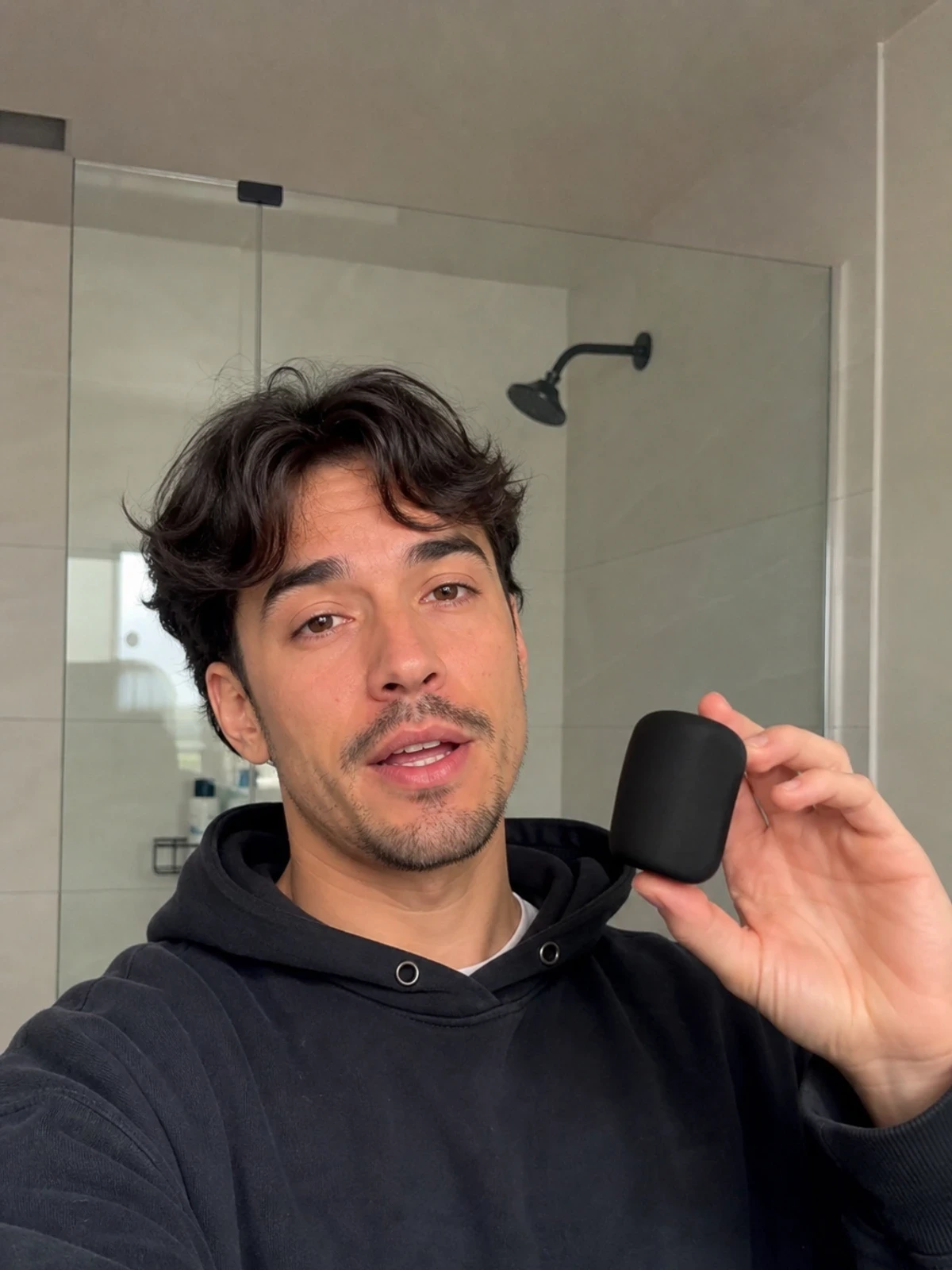


AI creative workflow examples for DTC brands that turn one idea into ads, hooks, and content faster, with simple templates you can reuse.
If you want more ads without more chaos, the answer is simple: use repeatable AI creative workflow examples, not random one-off prompts. A good workflow turns one product idea into scripts, images, videos, and variants you can reuse again and again.
For DTC founders and marketers, this means less staring at a blank page and more shipping ads your team can test fast. Below, I will show practical AI creative workflow examples you can copy, plus the steps, inputs, and outputs that matter most.
What AI creative workflow examples actually solve
Most DTC teams do not need “more AI.” They need a cleaner way to move from brief to finished creative.
A workflow helps when you need to:
Turn one product into many ad angles.
Make hooks, scripts, and visuals that match each other.
Keep brand style from drifting.
Cut wasted time on guesswork and rework.
Think of a workflow as a recipe. If the steps stay the same, your team can repeat the result. That is the real value of AI creative workflow examples, especially when you are testing Meta ads, TikTok ads, or content for launch campaigns.
AI creative workflow examples for DTC brands
Here are the most useful workflows for ecommerce teams. These are simple on purpose, because simple is easier to run every week.
1. Product brief to ad angle workflow
Use this when you have one product and need five or more ad ideas.
Inputs: product name, top benefit, problem it solves, customer type, proof points.
Steps:
Write a short product brief in plain words.
Ask AI for 10 pain-based angles, 10 desire-based angles, and 10 comparison angles.
Pick the 3 angles that fit your brand and offer.
Turn each angle into a hook, headline, and call to action.
Output: a small set of clear ad angles your team can test.
Example: For a sleep gummy brand, one angle might be “fall asleep faster without a heavy morning.” Another might be “busy parents who need a night routine that is easy to keep.”
2. Script to UGC-style video workflow
Use this when you need short ad videos that feel natural, even if they are AI-assisted.
Inputs: angle, audience, main objection, desired action.
Steps:
Write a 15 to 30 second script with one hook, one problem, one solution, one proof, one close.
Generate 3 opening lines so you can test different hooks.
Make matching video scenes or talking points for each line.
Review the final cut for tone, clarity, and brand fit.
Output: a short ad that can be adapted into multiple versions.
This works well for founder-led brands, beauty, wellness, pets, and home goods, where the message matters more than fancy effects.
3. Product photo to ad variation workflow
Use this when you already have product images and want more testable creative.
Inputs: product photo, offer, audience, theme.
Steps:
Pick one strong product image.
Generate new versions for different situations, like morning routine, gift use, travel, or before and after.
Change the hook text for each variation.
Review for realism, product clarity, and brand style.
Output: multiple ad creatives from one asset set.
If you want a deeper version of this approach, see Kubflow docs for building repeatable creative workflows.
4. Launch teaser to full campaign workflow
Use this for product launches or seasonal drops.
Inputs: launch date, hero benefit, urgency, key questions customers will ask.
Steps:
Make teaser copy that builds curiosity.
Turn the same idea into a launch video, a product image, and a post-purchase follow-up.
Create a version for each channel, like TikTok, Meta, email, or landing pages.
Review each piece so the message stays the same.
Output: one campaign idea spread across many touchpoints.
A simple template you can reuse every week
Here is a practical weekly template for AI creative workflow examples. This is the kind of structure that helps teams keep shipping without starting from zero every Monday.
Step | What you do | Result |
|---|---|---|
1. Brief | Write the product, audience, and goal in 5 to 7 lines. | A clear starting point. |
2. Angles | Ask for 10 to 20 ad angles, then choose 3. | Testable ideas. |
3. Asset plan | Decide if you need image, video, voice, or text. | Less wasted work. |
4. Generate | Create the first version of each creative. | Fast drafts. |
5. Review | Check clarity, fit, and claims. | Safer, better output. |
6. Ship and rerun | Publish the best version and keep the rest for later. | A repeatable system. |
If you want to build this kind of repeatable system in one place, Kubflow is built for visual AI creative workflows that connect image, video, audio, and text models.
How to review AI output without slowing down
The best workflow is not the one that makes the most drafts. It is the one that makes useful drafts you can trust.
Use this quick review list before anything goes live:
Does the hook make sense in one read?
Does the ad show the real product benefit?
Is the tone right for your brand?
Are claims safe and honest?
Would a customer understand it fast?
Good review keeps speed and quality together. Bad review turns AI into a messy pile of almost-good ideas.
Common mistakes with AI creative workflows
Most teams slow themselves down in the same few ways:
Trying to make one prompt do everything.
Skipping the brief and jumping straight to generation.
Making too many versions before picking a strong angle.
Using the wrong format for the channel.
Not saving the steps that worked.
The fix is to keep each step small. One step should do one job. That makes it easier to repeat, hand off, and improve.
When Kubflow fits best
Kubflow is a good fit when your team wants to build these AI creative workflow examples into a repeatable process, not just a single output. Because it connects image, video, audio, and text models, you can move from one idea to many creative assets without rebuilding the process each time.
That matters for DTC teams that need more output, but still care about brand control and clean review. Instead of chasing isolated tools, you can build one workflow and run it again for the next product, offer, or season.
Quick checklist before you build your next workflow
Start with one product and one goal.
Write a short brief in plain English.
Pick 3 angles, not 30.
Decide what needs image, video, voice, or text.
Review for clarity and brand fit.
Save the steps so the team can repeat them.
That is the real win: less guessing, more shipping, and more creatives your team can actually use. If you are ready to turn these AI creative workflow examples into a working system, start with Kubflow and build the first repeatable workflow today.